Sunday, 10 May 2026

Listening to Our Bodies: Finding Peace Amidst Life's Signals

Family channels grief into thousands of dollars for Leukaemia Foundation
Image source: abc.net.au

Why is it so easy to miss our body's quiet whispers?

In our fast-paced lives, it's incredibly easy to push through discomfort, attributing it to a bad night's sleep or just "one of those things." We've all done it. But sometimes, those whispers are actually important messages from our body, asking for attention.

I recently read a poignant story about a family's incredible journey of grief and remembrance. It started with a seemingly innocuous sore shoulder. Initially, it was dismissed as a minor ache, something simple like sleeping wrong. But as the pain persisted and worsened, it eventually led to a diagnosis of a rare blood cancer that had spread throughout the body. The family, after immense loss, channeled their grief into creating beautiful events, raising significant funds for cancer research, celebrating not only those they've lost but also those still with us.

How does our nervous system influence our body awareness?

This story really highlights something fundamental about our well-being: the critical importance of truly listening to our bodies. Often, when our nervous system is in a constant state of "fight or flight" – fueled by the chronic stress and high cortisol levels that are so common today – we become disconnected from these subtle internal signals. We're too busy, too wired, to notice what's truly going on beneath the surface.

This is where practices like breathwork come in. By intentionally slowing down, engaging our parasympathetic nervous system, we create space. This isn't just about relaxation; it's about recalibrating our internal compass, allowing us to be more present and attuned to our physical sensations. When we find these 'pockets of peace' throughout our day, even just a few minutes of mindful breathing, we can lower our cortisol and improve our interoception – our ability to perceive what's happening inside our body.

What does this mean for recognizing important health signs, like those for breast cancer?

Take, for instance, the vital importance of recognizing breast cancer signs. Just as a persistent ache can be dismissed, early indicators of breast cancer might be subtle or easily overlooked. Common signs can include a new lump or thickening in teh breast or armpit, a change in the size or shape of the breast, dimpling or puckering of the skin, changes to the nipple such as discharge or inversion, or persistent pain that doesn't go away. Sometimes, these signs are so subtle, or we're so caught up in life's demands, that we might delay seeking medical advice.

Being deeply attuned to your body, understanding what feels normal for you and noticing when something changes, is your proactive step towards health. This isn't about fostering anxiety, but rather cultivating a gentle, consistent awareness. When our nervous system is calmer and we regularly check in with ourselves, our perception can be clearer, making it easier to notice when something feels "off" and to trust that instinct to seek professional help.

How can we cultivate this vital self-awareness?

It starts wiht conscious effort. Integrate small moments of mindfulness into your day. Perhaps a few minutes of deep belly breathing before you start your work, or a moment of quiet reflection before bed. These aren't just feel-good practices; they are powerful tools for nervous system regulation that can enhance your overall health awareness.

By prioritizing these 'pockets of peace', we're not just managing stress; we're building a stronger, more intuitive relationship with our bodies. This empowers us to advocate for our health, to notice those important signals, and to act on them when needed. The resilience and proactive spirit of the family in the news story remind us of the incredible power of human spirit, and how even in the face of profound loss, we can find ways to contribute to a healthier future.

Sources

The Unseen Mess: Why Proactive 'Cleaning' Matters, Inside and Out

How BEN GILES became the go-to expert for cleaning grisly crime scenes
Image source: dailymail.com

What kind of 'clean-up' are we really talking about?

Life can be messy, quite literally. We often encounter situations that are beyond the scope of a quick wipe-down, requiring professional intervention. Consider the story of Ben Giles, a man who transitioned from cleaning windows to cleaning up scenes far more grisly. His journey, as recently reported, highlights a world where the 'messes' are not just dirt, but biohazards – situations so extreme, so neglected, that they require a specialist touch. From properties where bodies have lain undiscovered for weeks, to bathrooms brimming with unimaginable filth, these are jobs people pay a premium for, precisely because they don't want to confront the reality themselves.

What drew Giles to this line of work, initially, was the money. He needed a way out of a relentless work schedule that was straining his family life. But the core insight he discovered was that people are willing to pay handsomely to avoid dealing with truly unpleasant, long-neglected 'biohazards.' They value the peace of mind that comes from knowing someone else is handling the things they'd rather not think about.

How does this relate to what's on our plates?

It might seem like a drastic leap from crime scene cleanup to a balanced meal, but the underlying principle of proactive maintenance versus reactive crisis management holds true. Just as a property can fall into disrepair and become a biohazard if neglected, our bodies, too, can accumulate 'internal messes' if we consistently ignore what we feed them. We might not see the immediate effects, much like the slow accumulation of grime in a neglected home, but the impact is profound and, eventually, undeniable.

My pragmatic view is this: a beautiful, balanced plate is our daily act of 'biohazard prevention.' It's about consciously choosing to maintain our internal environment, rather than waiting for a major 'cleanup' to become necessary. When we put thought into our meals, we're investing in a kind of internal tidiness that keeps everything running smoothly, visually appealing, and deeply satisfying.

How do we achieve this visual and satisfying balance?

It comes down to thoughtfully combining key macronutrients – proteins, healthy fats, and fiber – in a way that not only nourishes but also delights the eye and the palate. Think of it as constructing a miniature landscape on your plate, each component playing a vital role:

  • Proteins: These are the building blocks, the sturdy framework of our internal structure. Lean meats, fish, eggs, legumes, and tofu provide the foundation, ensuring repair and strength. Visually, they often form the anchor of the meal.
  • Healthy Fats: Essential for countless bodily functions, healthy fats provide sustained energy and help absorb vital nutrients. Avocados, nuts, seeds, and olive oil add richness and a pleasing texture. They're like the smooth, well-oiled mechanisms that keep everything running efficiently.
  • Fiber: Often overlooked, fiber is our internal 'cleanup crew.' Found in abundance in fruits, vegetables, and whole grains, it aids digestion, promotes satiety, and helps remove waste. Visually, these vibrant components add color and freshness, making teh plate look alive and inviting.

By consciously arranging these elements, we create meals that are not only aesthetically pleasing but also deeply functional. It's a proactive approach, ensuring our bodies are maintained and cared for, preventing the kind of internal 'neglect' that can lead to more serious, less pleasant 'clean-up jobs' down the line. We choose to make our plates a testament to good health, rather than leaving our internal well-being to chance, hoping someone else will deal wiht the mess later.

Sources

Saturday, 9 May 2026

Vitamin D, Muscle Health, and Our Digital Lives

Association between vitamin D status and circulating myokines (irisin, myostatin, and myonectin) in children: A cross-sectional study
Image source: journals.plos.org

Are We Getting Enough Sunshine in Our Screen-Filled Lives?

Lately, I’ve been thinking a lot about balance – especially how we juggle our digital lives with our physical well-being. It’s easy to spend hours glued to screens, whether it’s for work, catching up with friends, or just unwinding. But this indoor habit can sometimes mean we miss out on something fundamental: sunshine. And guess what? Sunshine is intrinsically linked to something called vitamin D, which, as a recent study caught my eye, plays a surprisingly big role in our muscle health.

What's the Latest on Vitamin D and Our Muscles?

A new cross-sectional study, published in journals.plos.org, looked at children and found some really interesting connections. It highlighted that vitamin D isn't just for bones; it’s crucial for our skeletal muscles too. The study specifically investigated how vitamin D status is associated with certain “myokines” – these are hormones secreted by our muscles, like irisin, myostatin, and myonectin, which are involved in metabolic and musculoskeletal regulation.

What they found was pretty striking: children with vitamin D deficiency had significantly lower circulating levels of these important muscle-derived myokines compared to their healthy peers. This suggests a direct link between having enough vitamin D adn our muscles being able to produce these vital messengers. Essentially, if you’re low on vitamin D, your muscles might not be working at their full potential, even at a cellular level.

Why Does This Matter for an Arthritis-Friendly Lifestyle?

While this particular study focused on children, teh underlying principle that vitamin D impacts muscle physiology is relevant for all of us. For anyone considering an arthritis diet or managing joint health, strong, well-functioning muscles are absolutely critical. Muscles support our joints, aid in mobility, and can even influence inflammation. If vitamin D deficiency can lead to reduced muscle-derived myokines, it could indirectly affect overall muscle health and, by extension, joint support.

Beyond myokines, we know vitamin D plays a broader role in immune system function and bone health, both of whcih are central to managing inflammatory conditions like arthritis. So, ensuring adequate vitamin D isn't just about strong bones; it’s about supporting your entire musculoskeletal system and immune response, contributing to a more comfortable, active life.

How Can We Mindfully Manage Our Vitamin D (and Our Screens)?

This brings me back to my digital detox philosophy. How can we ensure we’re getting enough vitamin D without becoming obsessive? It's about balance, not deprivation. Try to incorporate smart sun exposure into your day – even a short walk outside during peak daylight hours can make a difference (just remember sun protection!).

Supplementing can be an option, but always chat with your doctor first. And don't forget dietary sources like fatty fish (salmon, mackerel) and fortified foods. When it comes to our tech, maybe a digital detox isn't just about reducing blue light or screen time for mental clarity; it could also free up time to get outside and naturally boost that crucial vitamin D. I use my health apps and wearables as tools to *inform* me, not to *rule* me. A quick check-in is fine, but I try not to let them dictate my every move or stress me out if a number isn't 'perfect.' Our bodies are complex, and true well-being comes from a holistic approach, not just chasing metrics.

My Final Thoughts on a Balanced Digital & Healthy Life

It’s a constant dance between enjoying the conveniences of our digital world and nurturing our physical selves. Let’s remember that our screens are fantastic tools, but they shouldn’t keep us from the simple, profound benefits of fresh air and sunshine. Prioritize that outdoor time, nourish your body, and let your technology enhance your life, not overshadow your health.

Sources

우리 강아지가 나이 들면? 관절 건강과 숲속 산책의 중요성

Are dog years real? Vets explain, plus share how to care for senior dogs
Image source: nbcnews.com

우리 강아지가 나이 들고 있나요?

사랑하는 반려동물이 우리 곁에서 오랜 시간 함께하는 것은 정말 큰 기쁨이죠. 하지만 시간이 흐르면서 아이들이 조금씩 느려지고, 예전 같지 않은 모습을 보일 때면 마음 한구석이 짠해지곤 합니다. 최근 한 기사에서 강아지가 '어느 시점에 노령견이 되는가'에 대한 흥미로운 이야기를 전했어요. 특정 나이로 정의하기보다는, 털이 희끗해지고 시력과 청력이 약해지며, 활동량이 줄고 움직임이 예전 같지 않을 때 비로소 노령견 돌봄에 대해 생각할 시점이라고 말합니다.

나이가 든다는 건 자연스러운 변화예요.

이것은 비단 강아지에게만 해당되는 이야기는 아닐 겁니다. 우리 스스로도 나이가 들면서 몸의 변화를 느끼는 것처럼, 자연스러운 삶의 과정이죠. 중요한 것은 이러한 변화를 인지하고, 우리 자신과 반려동물을 위해 어떻게 더 나은 환경과 습관을 만들어갈지 고민하는 자세입니다.

관절 건강을 위해 무엇을 할 수 있을까요?

기사에서는 노령견을 위한 돌봄의 핵심으로 크게 네 가지를 꼽았습니다. 바로 주거 환경 개선, 이동 보조 기구 활용, 정신적 자극 제공, 그리고 그루밍입니다. 이 중 '주거 환경 개선' 부분이 특히 눈에 띄는데요. 미끄러운 바닥이 관절염을 앓는 강아지에게는 최악의 적이라고 합니다. 마치 '얼음판'이 아닌 '체육관'처럼 미끄럼 방지 매트나 카펫을 깔아주어 안정적으로 움직일 수 있도록 돕는 것이 중요하다고 강조하죠.

바깥 활동과 환경 조성이 중요해요.

이 지점에서 저는 우리 인간의 관절 건강에 대해서도 생각해 보게 됩니다. 딱딱하고 고르지 못한 도시의 아스팔트나 실내 바닥보다는, 숲길의 부드러운 흙이나 폭신한 잔디밭이 우리 무릎과 발목에 얼마나 더 친화적인 환경일까요? 강아지들이 미끄러운 바닥 때문에 활동에 제약을 받는 것처럼, 우리도 딱딱한 환경 속에서 관절에 무리를 주지는 않는지 돌아볼 필요가 있습니다.

강아지에게 '정신적 자극'을 주는 것이 중요하다고 한 부분도 마음에 와 닿습니다. 노령견도 새로운 자극을 통해 삶의 활력을 얻는다는 것이죠. 우리도 마찬가지입니다. 숲속을 거닐며 자연의 소리에 귀 기울이고, 햇살을 느끼는 '숲 체험'은 몸의 움직임을 부드럽게 하고, 마음의 평온을 찾아주어 정신적 맑음까지 선사합니다. 이는 혈압을 낮추고, 스트레스를 줄이는 데도 큰 도움이 되죠. 반려동물과 함께하는 가벼운 숲속 산책은 모두에게 최고의 선물이 될 수 있습니다.

강아지 사료와 우리의 식단, 어떤 관련이 있을까요?

기사에서는 '모든 노령견이 반드시 노령견 사료를 먹어야 하는 것은 아니다'라는 점도 언급합니다. 이는 식단이 개별적인 필요에 따라 조절되어야 함을 시사하죠. 우리 인간의 '관절염 식단'에 대해서도 마찬가지입니다. 특정 '만병통치약' 같은 식단이 있는 것은 아니지만, 염증을 줄이고 전반적인 건강을 증진하는 데 도움이 되는 음식들이 분명 있습니다.

'관절 건강'은 모두에게 중요해요.

신선한 채소와 과일, 오메가-3 지방산이 풍부한 생선 등 항염증 특성을 가진 식품들은 관절 건강을 지원하고, 몸의 활력을 되찾는 데 도움을 줄 수 있습니다. 물론 식단만으로 모든 것을 해결할 수는 없지만, 규칙적인 숲속 걷기와 같은 야외 활동과 병행할 때 그 시너지는 훨씬 커질 것입니다. 건강한 식단과 자연 속에서의 움직임은 혈압 관리와 정신적 선명함에도 긍정적인 영향을 미쳐, 전반적인 삶의 질을 향상시키는 데 기여합니다. 우리의 소중한 반려동물과 함께, 자연 속에서 활기찬 삶을 누리시길 바랍니다.

Sources

Friday, 8 May 2026

Rethinking Our Health: Natural Paths in a Modern World

Our Fall From Modern Medicine, by Jennifer Rader. Herbal Medicine.
Image source: survivalblog.com

Has Modern Living Made Us Fragile? Reconnecting with Nature for Health

Living in California, we're so fortunate to be bathed in sunshine and have endless opportunities for outdoor movement. There's a biological truth to why we feel so good after a walk in nature or simply soaking up some rays: our bodies are designed to thrive in connection with the natural world. This connection extends far beyond just our mood; it influences our fundamental health, from our sleep cycles to our immune response. It also makes us question: are we truly harnessing these natural advantages, or are we, in some ways, becoming disconnected and even fragile?

Why are we talking about natural light and movement with conditions like arthritis?

While the immediate link might not seem obvious, embracing natural light and physical activity is foundational to a holistic health approach, especially when considering chronic conditions. Our daily dose of California sunshine, for example, isn't just a mood booster; it helps regulate our circadian rhythm and contributes to Vitamin D production, both of which play roles in overall wellness and can indirectly impact inflammatory responses in the body. Regular, gentle movement outdoors keeps our joints mobile and muscles strong, offering natural support against stiffness and discomfort. This integrated lifestyle thinking forms the bedrock for understanding how natural inputs can profoundly influence our health.

What does recent discourse tell us about our reliance on modern medicine?

ther's been a growing conversation, highlighted by recent news, about how our society has shifted away from traditional, natural remedies in favor of pharmaceutical solutions. Historically, natural medicine, including herbal treatments, held a respected place. However, as the article points out, the rise of industrial and commercial interests led to a pervasive influence that prioritized patentable pills over unpatentable herbs. This transition has arguably made us overly dependent on a system that, while life-saving in many instances, can also be vulnerable. Recent global events have certainly brought to light the hazards of depending too heavily on complex supply chains and a centralized healthcare system, prompting many to rethink personal preparedness and self-reliance in health management. It forces us to consider if our ease of access to modern remedies has, in some ways, diminished our innate resilience and knowledge of simpler, natural approaches.

How does this shift connect to managing conditions like arthritis through diet?

This evolving perspective directly impacts how we approach chronic conditions, particularly those influenced by inflammation, such as arthritis. If we think of herbs as natural remedies, then food itself can be seen as a powerful form of medicine. Just as our ancestors relied on plants for healing, we can empower ourselves by choosing foods that actively support our body's anti-inflammatory processes. An "arthritis diet" isn't about deprivation; it's about conscious choices: embracing vibrant fruits and vegetables, whole grains, and healthy fats known for thier inflammation-modulating properties. By focusing on nutrient-dense, whole foods, we're not just eating; we're actively providing our bodies with the building blocks and natural compounds they need to maintain balance and reduce discomfort. It's about taking back some agency, understanding that what we put into our bodies is a profound act of self-care and a vital component of resilience, much like knowing about herbal remedies when other options are scarce.

What's our role in this journey back towards natural wellness?

Our journey towards greater natural wellness isn't about abandoning modern medicine entirely, but about cultivating a more balanced and resilient approach to our health. It’s about leveraging the best of both worlds. For us here in California, it means appreciating and utilizing our bright environment for movement and light exposure, and extending that mindful approach to our plates. It means learning about the nutritional power of food, understanding which dietary choices can support conditions like arthritis, and embracing a lifestyle that naturally strengthens our bodies and minds. By integrating these natural elements – diet, movement, light – we cultivate a robust foundation, making us less fragile and more prepared, no matter what challenges may arise. It’s about empowering ourselves with knowledge and choices, turning everyday habits into powerful tools for long-term health.

Sources

Can New Approaches to Weight Management Offer a Path to Easing Chronic Pain and Enhancing Your Natural Glow?

Novi GLP-1 Weight Loss Claims Evaluated: Trusted Semaglutide & Tirzepatide Prescription Medication Treatment Options with Dedicated Doctors
Image source: globenewswire.com

Can New Approaches to Weight Management Offer a Path to Easing Chronic Pain and Enhancing Your Natural Glow?

It’s fascinating how our bodies work, isn't it? Every little thing, from the way we nourish ourselves to the quality of our sleep, radiates outwards. Our skin, our energy levels, even how we feel physically—it all reflects an internal landscape. When we feel good on the inside, it truly shows, bringing a glow that no topical treatment can replicate. But what happens when internal imbalances, like those linked to weight, also contribute to persistent discomfort, such as chronic pain?

What's the Latest Buzz in Weight Management, and How Does it Relate to Our Overall Well-being?

Recently, there's been a lot of discussion around innovative approaches to weight management, and a news report highlighted platforms like Novi, which offer access to compounded GLP-1 medications such as semaglutide and tirzepatide through telehealth. These medications are gaining attention for their role in supporting weight loss for eligible adults. The platform connects individuals with licensed healthcare providers for evaluation, provides ongoing support, and even offers convenient medication shipping, making access easier for many.

While the focus here is on weight, it’s crucial to understand that managing our weight isn't just about aesthetics or fitting into a certain size; it's profoundly about our overall health. Excess weight can often contribute to systemic inflammation, placing undue stress on our joints and organs, which can exacerbate or even initiate chronic pain. When we address significant weight challenges, we're not just changing a number on the scale; we're often reducing the burden on our body, potentially alleviating discomfort and improving our body's natural healing capacity. This internal shift is where the real magic happens, extending beyond just pain relief to a general improvement in vitality.

Beyond the Scale: How Do These Developments Fit into a Holistic View of Health and Beauty?

From a holistic perspective, tools like GLP-1 medications, when prescribed by a qualified healthcare professional, can be a valuable part of a broader wellness strategy. However, they are just one piece of a much larger puzzle. True, lasting radiance and comfort stem from a foundational commitment to our internal health. This means consistently prioritizing the pillars of well-being that support every cell in our body:

  • Hydration: Adequate water intake is fundamental for cellular function, skin elasticity, and even lubricating joints.
  • Quality Sleep: Rest allows our body to repair, regenerate, adn regulate hormones, directly impacting our mood, pain perception, and skin's appearance.
  • Nutrient-Density: Fueling our bodies with whole, unprocessed foods provides the essential vitamins, minerals, and antioxidants needed to reduce inflammation, support energy, and maintain vibrant skin.

These elements work synergistically. While medical advancements offer new avenues for managing specific health challenges, integrating them with these timeless practices creates a powerful combination for holistic health. It's about empowering our body to function at its best, naturally reducing inflammation that can contribute to pain, and allowing our inner health to shine throught.

Cultivating Inner Harmony for Lasting Radiance and Comfort

Ultimately, our journey to feeling good and looking radiant is a deeply personal one, intricately woven with our internal state. Whether we're exploring new medical options or refining our daily habits, the goal is always the same: to support our body's incredible ability to thrive. By focusing on nourishing ourselves from the inside out—through thoughtful choices in hydration, sleep, and nutrition—and seeking professional guidance when needed, we pave the way not only for greater comfort and reduced chronic pain but also for a truly authentic and lasting glow.

Sources

Thursday, 7 May 2026

Can Playful Eating Be Your Secret Weapon Against Sugar Cravings?

Can Eating Be Play?
Image source: psychologytoday.com

Can Playful Eating Be Your Secret Weapon Against Sugar Cravings?

We've all been there: that undeniable pull towards something sweet, even when we know it's not truly serving us. The battle against sugar cravings often feels like an uphill climb, a constant negotiation between immediate pleasure and long-term well-being. But what if the solution wasn't about deprivation, but about delight? What if we could make healthy eating so engaging and satisfying that those sugary temptations simply lose their power?

What Does 'Playful Eating' Even Mean?

A fascinating article from Psychology Today, “Can Eating Be Play?”, brings a fresh perspective to our relationship with food. It highlights how humans, from curious toddlers to inventive chefs, often engage with food in ways that go beyond mere sustenance. Think of children molding mashed potatoes into a volcano or making faces with cucumber slices. Or consider the elaborate, multi-sensory delights crafted by professional chefs – like a towering French croquembouche, designed to 'crunch the mouth' and please the eye.

The article suggests that this playful approach – whether it's a chef's artistic plating or a whimsical 'reverse shepherd's pie' served in a parfait goblet – taps into our natural inclination for novelty and exploration. It's about engaging more than just our taste buds; it's about making food an experience that delights the senses and sparks creativity. This isn't just for children or gourmet restaurants; it's a powerful concept we can bring to our everyday meals.

Why Does This Matter for Our Relationship with Sugar?

Our modern diet often conditions us to seek quick hits of pleasure, and sugar delivers that rush efficiently. But this immediate gratification is usually fleeting, leading to energy crashes and, inevitably, more cravings. It's a cycle that's hard to break.

When we approach food with a pragmatic eye, focusing on balance and beauty, we begin to find a deeper, more sustained satisfaction. If our meals are truly enjoyable – visually appealing, texturally interesting, and nutritionally robust – the intense, singular drive for sugar diminishes. Playful eating, in this context, isn't just a distraction; it's a way to elevate the entire eating experience, making wholesome foods the star of the show.

How Can We Pragmatically Apply This to Balance Macros and Beat Cravings?

Embracing a playful and visually focused approach to your meals can be a game-changer, especially when you prioritize balancing your macros – proteins, healthy fats, and fibers. Here’s how to make your plate both beautiful and deeply satisfying:

  • Proteins for Power: Proteins are your foundation for satiety. Think beyond a plain piece of meat. Arrange grilled chicken or fish alongside vibrant roasted vegetables. A colorful skewer of lean protein and peppers isn't just delicious; it’s a feast for the eyes, signaling satisfaction before the first bite.
  • Fats for Flavor adn Fullness: Healthy fats are essential for sustained energy and carrying flavors. Don't be shy about arranging beautiful avocado slices on your salad or drizzling a high-quality olive oil over a colorful bowl. teh richness and texture contribute to a sense of indulgence that sugar tries to mimic, but can’t truly deliver.
  • Fibers for Form and Function: Fiber-rich foods – think vibrant vegetables, hearty whole grains, and fresh fruits – are your allies for gut health and long-lasting fullness. Get creative with their presentation. A rainbow salad with artfully placed berries and nuts, or a bowl of roasted root vegetables seasoned with fresh herbs, transforms simple ingredients into an enticing masterpiece.

The key is to engage all your senses. When a meal is balanced, visually appealing, and thoughtfully prepared, it offers a holistic satisfaction that goes far beyond a momentary sugar rush. It's not always easy, and cravings can still surface, but by making our nutritious food more exciting and satisfying, we build a powerful defense against the siren song of sugar. It's about finding joy and fulfillment in every bite, making healthy eating a delightful experience rather than a chore.

Sources

Cooling Our Internal Fire Amidst External Turmoil

How Lutfur Rahman turned a London borough into his personal fiefdom
Image source: dailymail.com

How Do Societal Tensions Affect Our Internal Fire and Heart Health?

Navigating the World's Heat with Inner Calm

Sometimes, when we observe teh world around us, it can feel as though a great heat is rising, creating a sense of unease. Recent news reports, for instance, have shed light on significant challenges within community governance. We've read accounts detailing how a political system in a London borough appears to have been largely shaped by a single dominant figure, leading to concerns about power concentration and its impact on democratic processes. These reports specifically mention worries about corruption, sectarianism, and anti-Semitism. There are also investigations into potential financial malfeasance and instances of intimidatory behavior, with residents reportedly expressing fear and a sense of disempowerment. This situation, described as a deviation from 'normal politics,' highlights broader questions about community trust and the integrity of public service.

Such external 'heat'—whether it's the frustration of political turmoil, the stress of community division, or the anxiety over financial integrity—can profoundly affect our internal well-being. I often speak of this as our body’s internal fire flaring up. It’s not merely an emotional response; persistent exposure to environments fraught with tension can manifest physically, contributing to a state of chronic stress and systemic imbalance. This sustained 'inflammation' can place a quiet, continuous strain on our most vital organ: the heart. It serves as a gentle yet potent reminder of how interconnected our inner world is with the outer one, and how crucial it is to nurture our well-being to support our cardiovascular health, particularly in preventing or managing conditions like heart failure.

So, how can we gently tend to this internal fire and support our heart's resilience when the world feels turbulent? My approach is always about finding balance, not restriction. Think of it as inviting a cool, soothing breeze into your system.

  • Embrace Turmeric's Warm Embrace: This golden spice is a wonderful ally. It's known for its ability to help the body maintain a balanced inflammatory response, which is crucial for overall health, including that of the cardiovascular system. A little in your cooking, or a soothing golden milk latte, can be a lovely ritual.
  • Nourish with Omega-3s: Found in foods like fatty fish, flaxseeds, and walnuts, these essential fats are like gentle balancers for our cells. They play a quiet but important role in supporting heart health and helping to calm internal processes that might otherwise contribute to an overactive 'fire.'
  • Mindful Sweetness, Less Sugar: Sugar can sometimes feel like it's adding fuel to the internal fire. I suggest a gentle awareness around sugar intake, rather than strict deprivation. By mindfully reducing our consumption, we can help our bodies find a more even keel, supporting not just our weight and energy, but also our heart's long-term health.

Our journey to well-being is deeply personal, yet it exists within a larger world. By gently tending to our internal balance, we empower ourselves to navigate external challenges wiht greater calm and strength, nurturing our hearts and overall vitality along the way. It’s about creating a personal sanctuary of well-being, one soothing choice at a time.

Sources

Wednesday, 6 May 2026

How Smart Meal Prep Helps Us Navigate a Smarter World

Why is "AI Ready" just as important as "Meal Prep Ready" for a Vibrant Life?

Nourishing Our Minds for the Future

We all know the incredible power of meal prep, don't we? It’s that secret ingredient to a week filled with less stress, healthier choices, and more time for what truly matters. It nourishes our bodies and frees up our minds. But what if I told you there’s another kind of "prep" that’s becoming just as vital for our overall well-being and vibrant living? I’m talking about AI readiness!

A fascinating new initiative, highlighted in recent news, is a free text-message course called "Make America AI-Ready." Offered by the Department of Labor and a private partner, this course is designed as an "AI 101" – a simple, 7-day journey, taking just 10 minutes a day, to help everyone understand the basics of Artificial Intelligence. Think of it as a starter kit for a healthier, more informed digital life, much like a good basic meal prep plan sets you up for healthy eating!

Just like a thoughtfully planned meal nourishes our bodies and keeps our energy flowing, understanding teh tools shaping our modern world nourishes our minds. It empowers us to make better decisions and live more consciously, connecting our mind, body, and spirit in new ways.

What Can We Learn from this AI "Recipe" for Daily Living?

Simple Ingredients for a Smarter You

This AI course has some fantastic "ingredients" that resonate deeply with our philosophy of vibrant living:

  • It’s wonderfully accessible: Delivered via text message, it meets people exactly where they are. No fancy apps or complicated platforms needed! It reminds me of how the best meal prep tips are often the simplest ones – easy to follow, no expensive gadgets required, just good, wholesome basics.
  • Bite-sized learning: Just 10 minutes a day! This practical pacing makes learning about AI feel less daunting adn more like a gentle, consistent habit. Just like dedicating a small chunk of time each week to prepare meals makes healthy eating sustainable.
  • Emphasizes verification: This is huge! The course consistently teaches us not to blindly trust AI outputs. It even gives a memorable example: imagine looking up a restaurant only to find a nail salon in its place! This is a powerful reminder to apply our own human judgment, just as we wouldn't blindly trust every recipe we see online without checking the ingredients or reviews. Always verify!
  • Centers human responsibility: The course makes it clear: we are ultimately responsible for how we use AI. If an AI-generated report contains fabricated statistics, the human who submitted it is accountable. This echoes our personal responsibility for what we put into our bodies and how we choose to live our lives. We are the masters of our own "recipes."
  • Honest about limitations: It doesn't shy away from AI's imperfections, introducing terms like "hallucination" clearly. It reminds us that AI predicts, it doesn't know or understand. Understanding these limitations is empowering, just as knowing the limits of a particular meal plan helps us adjust and find what truly nourishes us.

Are There Any "Missing Spices" in this AI Recipe?

A Dash of Caution for a Balanced Approach

Just like any recipe can be refined, the article points out a key area for improvement in the AI 101 course: inconsistencies in privacy and security advice. On one hand, it advises us to protect our data, but then contradicts itself. This is a vital reminder for all of us!

In our journey toward vibrant living, protecting our personal information is just as crucial as protecting our physical health. We wouldn't want harmful ingredients in our food, and we certainly don't want vulnerabilities in our digital lives. Being mindful and proactive about our digital well-being is a core part of a balanced, wholesome life.

How Can We Take Our "AI Meal Prep" to the Next Level?

Preparing for a Future of Wholesome AI Use

The journey to AI literacy, much like the journey to mastering meal prep, is continuous. This foundational course is a wonderful start, equipping us wiht essential tools. To truly thrive in an AI-driven world, we can aim for deeper understanding, continuous learning, and an unwavering commitment to critical thinking.

Staying curious, engaged, and responsible empowers us to harness technology for good, making choices that truly support our vibrant living – mentally, physically, and spiritually. Let's keep prepping our minds and our meals for the most fulfilling life possible!

Sources

Ditching the 'Detox' Dogma: Embracing Real Food for a Reset

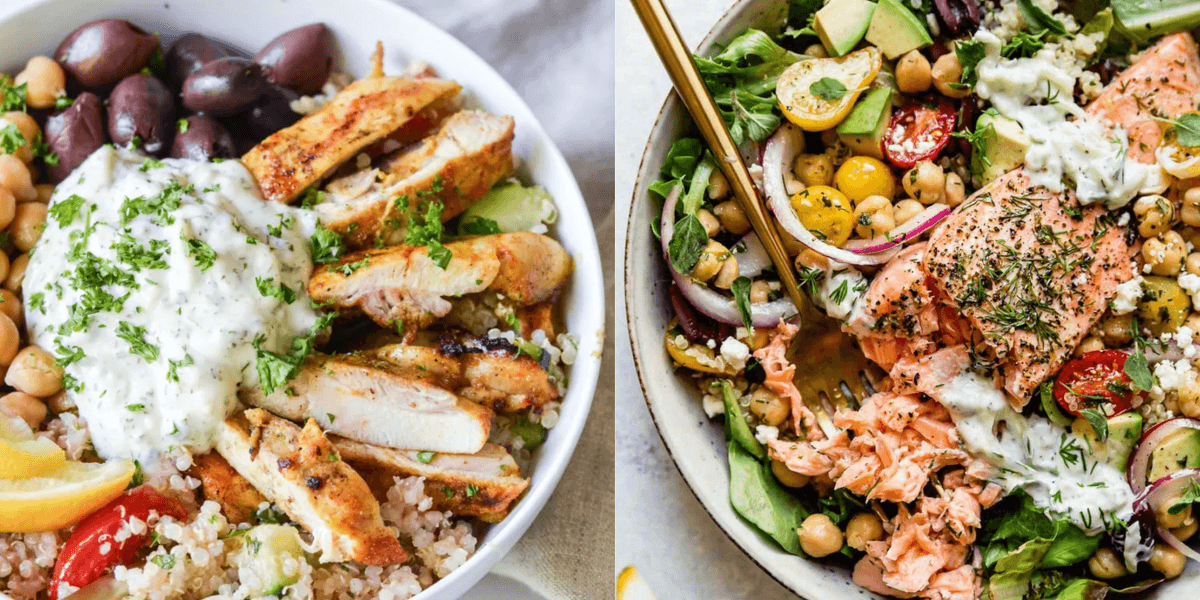
9 Easy Mediterranean Recipes That Are Pure Sunshine in a Bowl
Image source: brit.co

What's the Secret to a True Body Reset, Without the Harsh 'Detox'?

Embracing the Vibrant Flavors of the Mediterranean!

Have you ever felt that sluggish, "my eating habits need a serious overhaul" feeling? I certainly have! As the seasons shift and the days lengthen, it’s natural to crave a fresh start, a way to revitalize from the inside out. Lately, I've been seeing a lot of chatter about "detox" diets, and while the intention to feel better is always wonderful, my culinary heart always yearns for something more nourishing, more sustainable, and infinitely more delicious.

That's why I was absolutely delighted to read about a recent feature on the Mediterranean diet as the ultimate body reset. It’s described as feeling less like a "diet" and more like a delightful upgrade, and I couldn't agree more! For me, a true "detox" isn't about deprivation or blandness; it's about flooding your body with incredible, real foods that actively support your well-being. This way of eating aligns perfectly with my philosophy of treating food as medicine, a vibrant palette of flavors and textures designed to invigorate.

The Mediterranean approach isn't just about cutting things out; it’s about piling in the good stuff! Think heart-healthy fats from glorious olive oil, a rainbow of antioxidant-rich vegetables, wholesome lean proteins, and satisfying whole grains. This incredible combination is celebrated for supporting everything from a clear mind to boundless energy levels. Instead of the restrictive nature often associated with "detox" regimens, here we find meals that are truly craveable adn deeply nourishing.

Imagine bowls bursting with color and life: fresh herbs lending their aromatic magic, the juicy burst of sun-kissed tomatoes, the briny punch of olives, and perfectly cooked grains forming a comforting base. The article highlights some truly inspiring dishes that embody this philosophy:

  • Mediterranean Chicken and Farro Salad: Picture succulent grilled chicken mingled wiht crisp greens, sweet sun-dried tomatoes, tender artichokes, and olives. A kick of pepperoncini and creamy fresh mozzarella elevate it to pure perfection.
  • Lemon-Herb Salmon Bowls: A symphony of flavors featuring flaky, zesty salmon, crumbled feta, more briny olives, and cooling tzatziki. Every bite is an undeniable celebration of freshness.
  • Flavorful Mediterranean Chicken: A simple yet sensational staple, made vibrant with homemade garlic sauce, earthy chickpeas, fluffy quinoa, cool cucumbers, and bright sliced tomatoes, all finished with a signature squeeze of fresh lemon.
  • Quick Quinoa and Chickpea Salad: Ideal for busy days, this salad comes alive with Kalamata olives and the creamy tang of goat cheese.
  • Tomato Panzanella with Feta: A delightful tribute to summer, showcasing juicy tomatoes, tangy Lebanese dressing, and a sprinkle of feta, served with crusty bread.

These aren't just meals; they're experiences designed to make you feel fantastic. When we focus on nutrient-dense ingredients like these, our bodies naturally thrive. While the idea of a harsh "detox" can be appealing for a quick fix, I believe the true, lasting reset comes from consistently choosing vibrant, real foods that nurture every cell. It's about enjoying the journey to wellness, one delicious, flavor-packed bowl at a time.

Sources

Tuesday, 5 May 2026

Your Daily Sunscreen Choice: Consistency Over Debate

Mineral or Chemical Sunscreen? Dermatologists Weigh In on the Best Choice
Image source: cosmopolitan.com

Establishing consistent, beneficial habits each day is a cornerstone of a productive and healthy life. Just as we ensure our morning light exposure and consistent sleep schedule help regulate our internal clock, thoughtful daily choices about our health rituals are equally important. One such non-negotiable ritual for long-term well-being is daily sun protection.

Should I really wear sunscreen every day?

Absolutely, and here's why.

For many who prioritize a structured approach to self-care, applying sunscreen daily is as automatic as brushing your teeth. This isn't just a beauty tip; it's a fundamental health practice. Sunscreen is your primary defense against the sun’s harmful rays, which are a leading cause of skin cancer—the most commonly diagnosed cancer in the U.S. Beyond this crucial protection, consistent SPF use plays a significant role in preventing premature aging signs like fine lines, wrinkles, and dark spots. It’s a simple, effective step that sets a positive tone for your skin’s health, day in and day out.

Mineral vs. Chemical: Which is the 'best' sunscreen?

It's about consistency, not just composition.

When you examine sunscreen labels, you've likely encountered terms like "100 percent mineral" or "physical sunscreen." This leads many to ponder teh differences between mineral and chemical formulations. The distinction lies in their active ingredients:

  • Mineral sunscreens (also called physical sunscreens) typically contain zinc oxide and/or titanium dioxide. These ingredients act as a shield, sitting on your skin's surface and deflecting the sun's rays.
  • Chemical sunscreens use filters such as oxybenzone, avobenzone, octisalate, octocrylene, homosalate, adn octinoxate.

Historically, mineral sunscreens have garnered a reputation as the superior option. However, recent insights from dermatologists suggest this isn't necessarily true across the board. Both types come with their own advantages and drawbacks, making the choice a nuanced one.

The core message from experts is clear: neither mineral nor chemical sunscreen is inherently "better" overall. The ultimate choice hinges on your personal preference and, critically, which formula you will consistently use. As one dermatologist wisely states, "The safest sunscreen is one you will use diligently and reapply without issues, no matter the formulation, and that is the end of the story."

It's also practical to recognize that you might opt for different SPF formulations to suit varying activities—from your daily routine to water sports. The goal remains consistent protection, tailored to your lifestyle.

How can I choose the right sunscreen for me?

Focus on what you'll actually use consistently.

Given that consistency is key, your decision should prioritize usability and comfort. Consider your daily activities, skin type, and how different formulations feel on your skin. Don't let the debate between mineral and chemical deter you from finding a product you love and commit to daily. The most effective sunscreen is the one you apply without hesitation, every single day.

Sources

Feeling Overwhelmed by Stress? Let's Navigate Wellness Together.

GL Control Claims Evaluated: Investigating the Ingredients Benefits for Blood Sugar Trap Support
Image source: globenewswire.com

Oh, my dear friends, if you're feeling the weight of chronic stress, please know you are absolutely not alone. Take a deep breath with me. It’s okay to feel overwhelmed, to feel like your body is just trying to keep up. I hear you, and I'm sending you the biggest digital hug right now. It’s a tough world out there, and our bodies often bear the brunt of it, sometimes in ways we don't even realize, like how stress can quietly impact our blood sugar.

It's completely natural to seek out ways to support ourselves when we're feeling this way, and that often leads us down paths of exploring different wellness approaches or supplements. You might have seen some buzz lately, perhaps even searching for things like 'Blood Sugar Trap support' or 'GL Control claims evaluated.' This brings us to a recent news report that caught my eye, highlighting how consumers are doing their homework on products that promise to help our bodies function better.

What's this news about, and why does it matter for chronic stress?

A recent report discussed how people are actively researching a liquid supplement called GL Control, which aims to support blood sugar. The interesting part isn't the product itself, but why people are searching for it. It's a fantastic example of people taking charge of their health journey and asking important questions:

  • What's actually in this? Consumers want to see the ingredients list.
  • How does it work? They're curious about frameworks like the "Blood Sugar Trap" that explain how the product's ingredients are supposed to help.
  • Is it reputable? They look into manufacturing standards, third-party testing, and guarantees.

This consumer behavior is so important, especially when we consider how chronic stress can silently affect our bodies. When we're constantly stressed, our bodies release hormones that can, over time, influence our blood sugar levels. This can make us feel even more fatigued, irritable, and and just generally out of balance. So, it makes perfect sense that we'd be looking for ways to support our bodies in managing these internal processes, including blood sugar regulation.

What's the broader picture here for our wellness journey?

teh takeaway isn't about any specific product, but about the incredible power you have as an informed individual in your wellness journey. When it comes to supporting your body, especially when chronic stress is a factor, here's what truly makes a difference:

  • Listen to Your Body: Pay attention to how stress manifests for you. Is it impacting your energy, your sleep, your mood, or even how you feel after meals?
  • Small, Manageable Steps: Instead of looking for a quick fix, think about sustainable habits. A short walk, a few minutes of quiet breathing, a nourishing meal – these small acts add up. When our bodies are under stress, even tiny steps towards balance can have a profound effect on everything, including our metabolic health.
  • Do Your Research: Just like the consumers in the news report, always look into what you're considering putting into your body. Understand the ingredients, the claims, adn whether there's general understanding about how they work. Be wary of things that sound too good to be true.
  • Consult with a Professional: This is a big one. Before starting any new supplement, especially if you're managing chronic stress or other health conditions, please talk to a qualified healthcare professional. They can offer personalized advice and ensure whatever you choose is safe and appropriate for you. Supplements aren't always regulated in the same way as medications, and it's always best to have a professional guide you.

It's okay to feel a bit lost when navigating all the information out ther. My hope is that by understanding the connection between chronic stress and our body's functions, like blood sugar regulation, you feel empowered to make informed choices. Remember, true wellness is a journey of self-care, curiosity, and sometimes, a little bit of healthy skepticism.

Sources

Unpacking Salt: Nourishment, Flavor, and the Pursuit of Wholesome Wellness

Salt: The dangers of eating too much and if trendy rocks are worth it
Image source: dailymail.com

Ah, the humble grain of salt! It holds such power in our kitchens, awakening flavors, brightening dishes, and transforming simple ingredients into culinary masterpieces. Yet, for all its magic, salt has long carried a heavy burden, often cast as the arch-nemesis of a healthy diet. But what’s the real story behind this essential mineral? Let’s dive into the delicious details and separate fact from fiction, guided by recent insights.

Is salt truly the villain of our culinary story?

The truth, as always, is deliciously complex!

For years, salt has been blamed for a host of health concerns, from elevated blood pressure and heart disease to more surprising links with dementia and stomach cancer. And it’s true, many of us are consuming far more than is recommended. News reports highlight that the average person can easily exceed daily limits, often without realizing it, thanks to the pervasive presence of hidden salt in ultra-processed foods (UPFs). Think about those seemingly innocuous items like bread, pastries, fried snacks, and even many breakfast cereals – they’re often loaded with sodium, masking their true content behind convenience and flavor.

But let's be clear: our bodies absolutely need salt. More specifically, they need sodium, one of salt’s key chemical elements. It’s a vital player in countless bodily functions, from maintaining a healthy blood pressure balance adn supporting proper nerve function to helping us sweat and regulate fluids. To cut it out entirely would not only be incredibly difficult but genuinely detrimental to our health. The real dilemma isn't salt itself, but where our salt intake is primarily coming from.

When we embrace the art of cooking from scratch, using vibrant, whole ingredients, salt becomes a beneficial and even essential part of our diet. It’s a tool to enhance the natural goodness of seasonal produce and lean proteins. The problem arises when our plates are dominated by UPFs, which, as experts confirm, are inherently high in salt and often lack the wholesome nutrients our bodies crave. Shifting our focus to whole foods is, in essence, the most authentic form of 'detox' there is – nourishing our bodies with what they truly recognize and thrive on.

So, how much salt is too much, and what kind should we choose?

Finding the Balance on Our Plates

The general guideline suggests a maximum of around 6 grams of salt per day – that’s roughly one teaspoon. When you consider that a single teaspoon already contains over 100% of the daily recommended sodium value, it highlights just how quickly we can reach our limit, especially with hidden sources. This is why conscious cooking and seasoning at home become so powerful; they give us control over the very elements that shape our health.

At its core, salt is a natural mineral made of sodium chloride. Whether it's harvested from the shimmering sea as water evaporates or mined from underground rock formations, its chemical essence remains largely the same. While sea salt is a beloved companion in the kitchen for its delicate texture and often nuanced flavor, and rock salt finds its way into industrial uses, both are fundamentally the same compound our bodies interact with.

And what about those beautiful pink varieties, like Himalayan salt, that adorn our tablescapes? While they certainly add a touch of visual delight and can contain trace minerals, chemically, they are still predominantly sodium chloride. The key takeaway isn't necessarily which shade of salt you choose, but rather the overall context of your diet. Prioritizing fresh, unprocessed ingredients will naturally guide you towards a more balanced intake, no matter the color of your crystals.

How can we truly nourish ourselves and enjoy the flavors salt offers?

Embracing Wholesome Choices

For me, the answer lies in the joyful act of creation in our own kitchens. By focusing on seasonal produce – crisp greens, earthy root vegetables, sun-kissed fruits – and building meals around them, we naturally minimize our exposure to hidden salts and additives. Salt, when used thoughtfully, becomes a magnificent partner, enhancing the vibrant colors and textures, bringing out the natural sweetness of roasted vegetables, or adding depth to a slow-simmered stew. It's about elevating, not overpowering.

My personal philosophy is to treat food as medicine, and a mindful approach to salt fits perfectly. Let’s read labels, yes, but more importantly, let’s fill our shopping carts and our plates with ingredients that speak of life and vitality. Experiment with aromatic herbs and spices to build layers of flavor, allowing salt to play its supporting role. By cooking more from scratch, we reclaim control over our nourishment, creating truly wholesome meals that delight teh senses and support our well-being from the inside out.

Sources

Monday, 4 May 2026

Finding Your Glow: Sleep Solutions, Gut Health, and Why Magnesium Matters

Two Supplements For Menopause May Actually Help, Expert Reveals
Image source: sciencealert.com

Finding Your Glow: Sleep Solutions, Gut Health, and Why Magnesium Matters

Ever notice how a truly restful night’s sleep makes you feel like a new person? That elusive 'glow' isn't just about what you put on your skin; it radiates from within, deeply connected to how well you sleep and how happy your gut is. It’s a holistic picture of vitality, and when sleep eludes us, that inner glow can dim.

We live in a world buzzing with quick fixes and trending supplements, especially when it comes to common complaints like sleep disruption, brain fog, and anxiety. It’s hard to know what’s genuinely helpful and what’s just hype. That’s why I was intrigued by a recent article that cut through the noise, highlighting a couple of supplements that might actually offer real benefits, particularly for those experiencing sleep challenges and other symptoms that can affect our overall well-being.

The article specifically drew attention to magnesium as a potential ally in teh quest for better rest. It explained that magnesium plays a vital role in over 300 metabolic processes in our bodies, including muscle relaxation and nerve signaling. These are key areas when we talk about insomnia remedies! Clinical trials, even involving older women, have shown that magnesium can help you fall asleep faster and reduce the severity of sleepless nights. It’s also been linked to a modest reduction in anxiety symptoms, particularly for those with low levels, which can certainly contribute to better sleep. Plus, it supports bone density, adding another layer to our overall health foundation.

Now, it’s important to remember that not all magnesium is created equal. The article suggests that forms like magnesium citrate and glycinate are generally better absorbed by the body. And, as with any supplement, moderation and awareness are key; high doses can lead to side effects, and it's always wise to consult a professional, especially if you have underlying health conditions like kidney disease.

Beyond the Bottle: Nourishing Your Inner Ecosystem for a Deeper Glow

While targeted supplements like magnesium can be incredibly supportive, especially when our bodies need a little extra help, I always come back to the bigger picture: our magnificent gut microbiome. Think of your gut as a bustling inner garden, and what you feed it determines its health and vibrancy. A thriving inner ecosystem doesn't just digest food; it influences your mood, your energy, and yes, even your sleep! Your gut produces many of the neurotransmitters that play a crucial role in regulating sleep and wake cycles.

This is where the magic of fermented foods adn fiber comes in. Fermented foods, like kimchi, sauerkraut, yogurt, and kefir, are teeming with beneficial bacteria that help populate your gut with good bugs. Fiber, found abundantly in fruits, vegetables, legumes, and whole grains, acts as fuel for these friendly microbes, helping them flourish and do their vital work. When your gut is happy, it sends positive signals throughout your body, contributing to a sense of calm and well-being that naturally paves the way for more restorative sleep. This holistic approach supports your entire system, amplifying that radiant inner glow that truly comes from being well.

So, whether you're exploring magnesium as a sleep aid or simply looking to enhance your overall vitality, remember to nourish your body from the inside out. Prioritize your gut health with a diverse, fiber-rich diet and fermented foods, and you might just unlock the most beautiful glow of all.

Sources

Your Body's Hidden Wisdom: The Vagus Nerve and Unexpected Rhythms

How a Rectal Exam Helped Restore a Patient's Irregular Heart Rhythm Without Treatment
Image source: medicaldaily.com

Your Body's Hidden Wisdom: The Vagus Nerve and Unexpected Rhythms

Our bodies are incredible, intricate networks, constantly working behind the scenes in ways we often take for granted. We’re taught to compartmentalize, yet the truth is far more wonderfully interconnected. Sometimes, a story comes along that perfectly illustrates this profound internal wisdom, challenging our assumptions about health and healing.

Recently, a fascinating case made headlines on medicaldaily.com: a patient arrived at the hospital with a dangerously irregular heartbeat. Doctors were preparing for standard interventions, including medication and a procedure. But before any of that happened, something utterly unexpected occurred. During a routine rectal exam—performed for unrelated reasons—the patient's heart rate spontaneously returned to normal. No drugs, no procedures, just a simple physical action.

This remarkable event wasn't magic; it was a powerful display of the body's innate regulatory systems at work, specifically involving the vagus nerve. The article explains that the rectal exam, involving the patient bearing down (similar to a Valsalva maneuver), stimulated this crucial nerve. The vagus nerve is a major player in our parasympathetic nervous system, often called the "rest and digest" system. When activated, it can slow the heart rate and stabilize rhythm disturbances by influencing the heart's electrical signals. It’s a literal lifeline, connecting the brain to many vital organs, including the heart and digestive system.

This case isn't about recommending rectal exams for heart problems! Instead, it’s a profound reminder of how deeply linked our internal systems are—the gut, heart, brain, adn body—and how much our body already knows how to do. It highlights the potential for physical actions, even unintentional ones, to profoundly impact our internal state. We often look outside ourselves for solutions, for the "right" diet or the "perfect" exercise. But this story nudges us to consider the incredible intelligence residing within us.

For those of us on a journey toward food freedom and trusting our body's signals, this story offers a powerful metaphor. Just as the body instinctively knew how to restore its heart rhythm through a subtle trigger, it also possesses an innate wisdom about what it needs to thrive. It whispers to us through hunger cues, sends signals of fullness, and even guides us toward cravings for specific nourishing ingredients when we truly tune in.

Rejecting diet culture means rejecting teh idea that an external authority knows better than our own bodies. It means cultivating a deep sense of trust in our internal mechanisms. While this specific medical case was rare and unusual, it beautifully illustrates the fundamental principle: our bodies are designed for self-regulation and balance. We can support this natural equilibrium by providing high-quality, nourishing foods, gentle movement, and practices that calm our nervous system, allowing the vagus nerve to do its vital work.

Let this be an invitation to lean into curiosity about your own body's signals. What might it be trying to tell you? How can you foster an environment where its inherent wisdom can flourish?

Sources

Your Morning, Your Future: Why How You Feel Matters Most

Forget the 5 a.m. Club—Here's What Successful Women Actually Do in the Morning
Image source: camillestyles.com

We’ve all seen the articles, right? The ones that promise the secret to success lies in a rigid 5 a.m. wake-up, a cold shower, and a kale smoothie before the sun even thinks about rising. While the aspiration is admirable, for many of us, these prescriptive checklists can feel more like a barrier than a path to a vibrant day.

A recent piece from Camille Styles, titled Forget the 5 a.m. Club—Here's What Successful Women Actually Do in the Morning, offers a wonderfully refreshing take. Instead of detailing a universal set of actions, it dives deeper, asking how busy, successful women actually cultivate clarity and intention before their day takes hold. This isn't about following a formula; it's about fostering a sense of ownership over those crucial first hours.

This shift in perspective resonates deeply wiht a truth I often reflect upon: the choices we make today are the building blocks of our vibrant, active future selves. It’s not just about what we do, but how we approach our daily lives that truly shapes our trajectory. When we begin our day with intention, we are investing in a future where we move with greater ease, think with more clarity, and embrace life with boundless energy. This proactive stance is akin to nourishing our bodies with essential nutrients or engaging in consistent movement – small, deliberate efforts now, for profound returns later.

The article beautifully illustrates this with two powerful insights. First, it highlights the wisdom of starting with a single, foundational question: How do I actually want to feel today? Whether it's calm, energized, clear, or magnetic, this desired feeling becomes the anchor. The specific actions—journaling, a quick burst of movement, or even just savoring a quiet moment in bed—can shift from day to day. The consistency isn't in the what, but in the why: seeking that consistent feeling. As the piece notes, going through the motions on autopilot, even with a perfect routine, can leave us feeling hollow.

Second, teh article emphasizes protecting one non-negotiable moment. For some, this might be a quiet meditation, for others, it's a specific family interaction like school drop-off. Identifying and safeguarding this one sacred moment ensures a touchstone of purpose and connection, no matter how chaotic the rest of the day might become.

Embracing this approach means letting go of the pressure to conform to someone else's 'perfect' morning. Instead, it invites us to tune into our own needs and aspirations. By consciously choosing how we want to feel each morning, and dedicating even a small moment to that intention, we lay a robust foundation. We cultivate not just a better day, but a healthier, more resilient, and truly vibrant future self. It’s about building a life, one intentional morning at a time, where every choice contributes to the active, joyful existence we envision.

Sources

Listening to Our Bodies: Finding Peace Amidst Life's Signals

Image source: abc.net.au Why is it so easy to miss our body's quiet whispers? In our fast-paced lives, it's incredibly easy to push...